fabulousyarn.com

Blue Sky Alpacas
Blue Sky Alpacas Organic Cotton Yarn


ARTYARNS featuring UM4 SOCK YARN &
Machelle Dotson's Victory Sock Knitting Pattern!)

Lantern Moon Knitting Needles :: Sox Stix

Yarn Listing FABS Guarantee SHIPPING INFO contact FAB
Join the knitlist and get an extra 5% off!


You choose your shipping:
First Class, Parcel Post, Priority or EXPRESS

Get your order in as little as 2 days!

+FREE SHIPPING US Orders Over $150

 
What are we up to? New Gift Baskets for the Holiday Season! Fall Della Q :: Artyarns Cashmere Sock Yarn :: Jade Sapphire Cashmere 6 Ply Be first to know: Join the knitlist to get email updates: new patterns, new yarns, sales!


Blue Sky Alpacas Yarn :: Suri Merino Yarn
Beautiful, soft and lustrous Suri Merino Yarn in 14 Colors


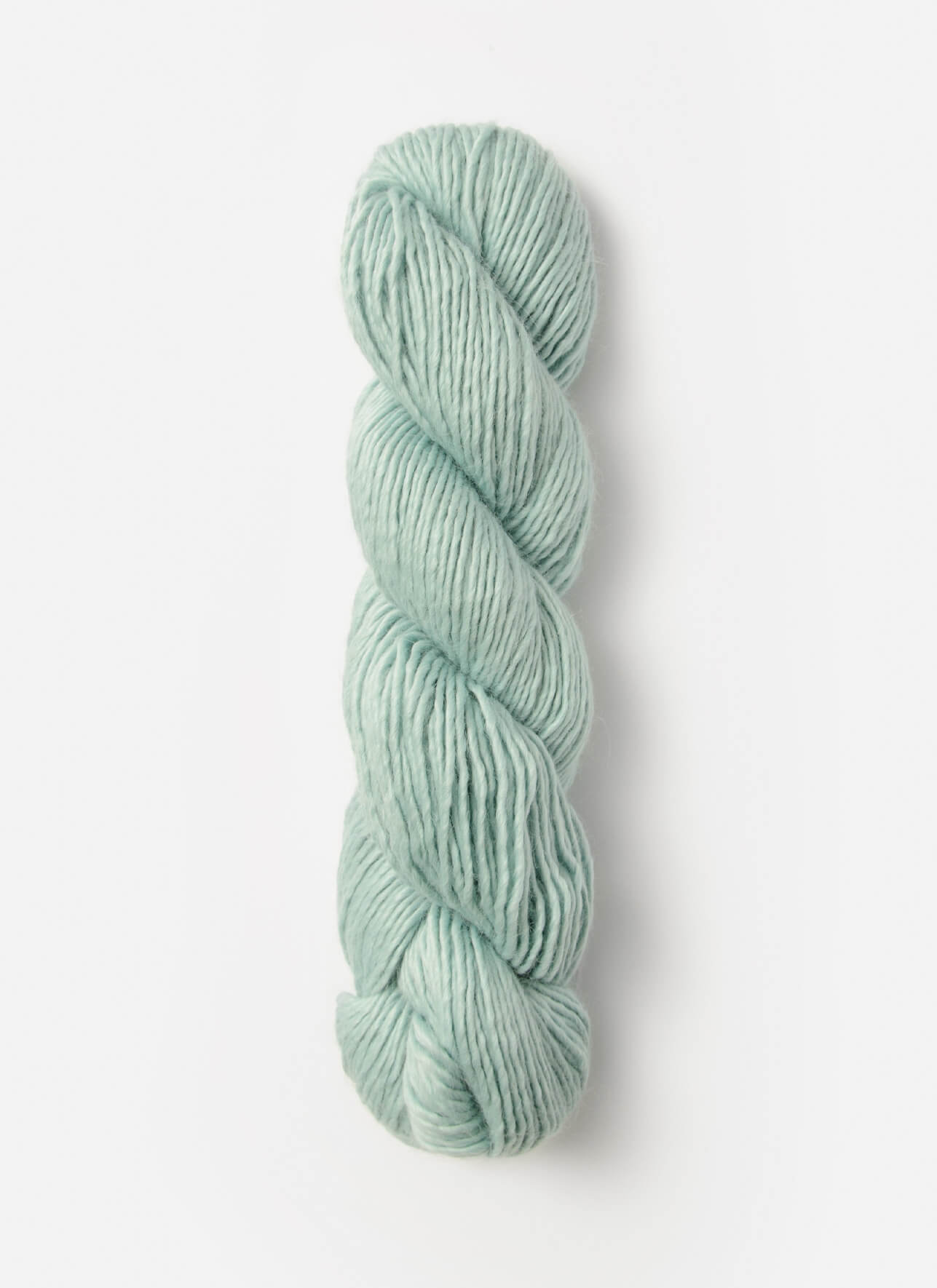
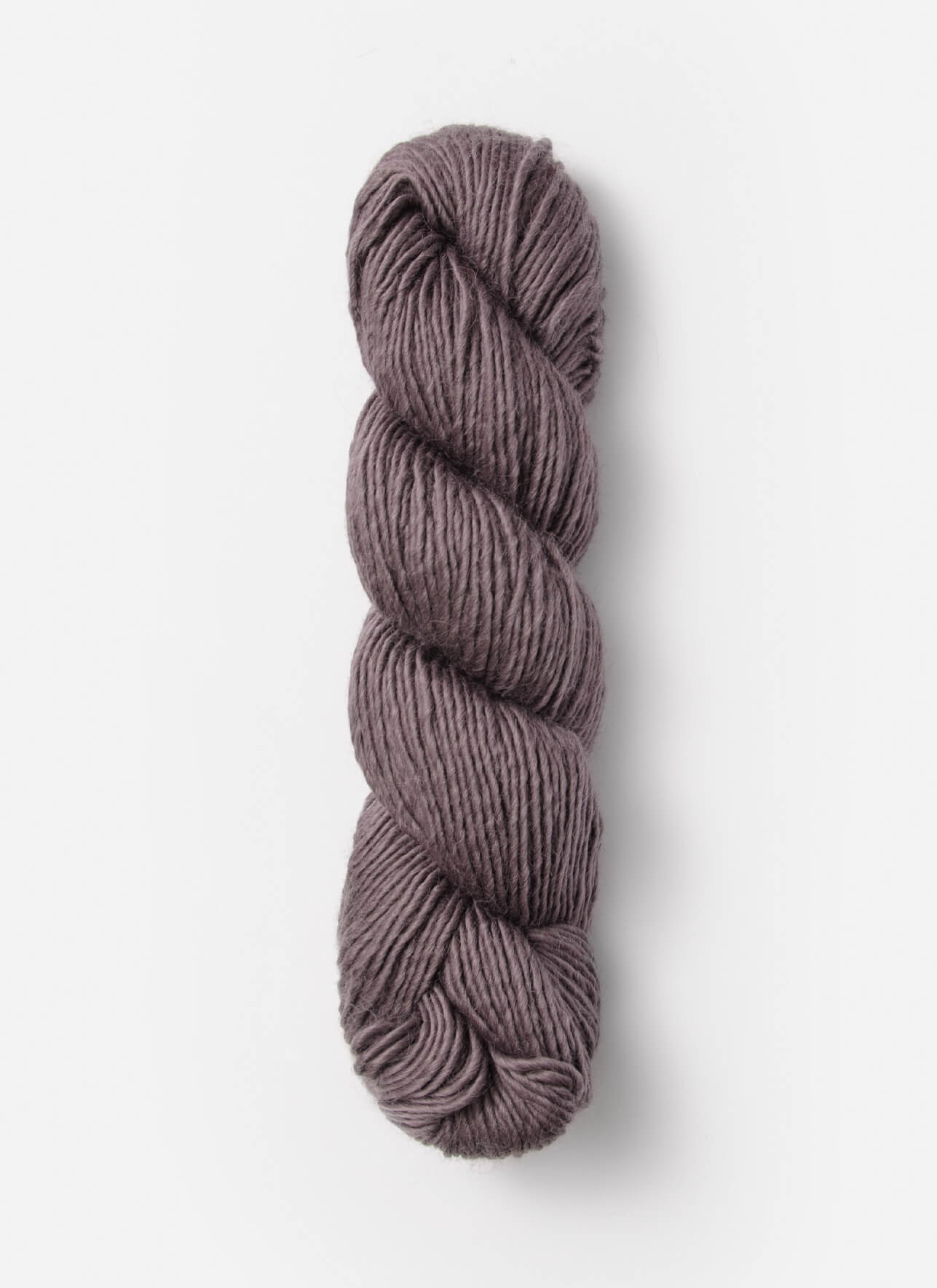
Blue Sky Alpaca Suri Merino in Color 418 Dusk


Beauty is not always skin deep - this yarn is beautiful from inside out. First, it's gorgeous and ultra soft baby suri, the softest of the alpacas, suri, and the softest of that, the baby suri. Then add the softest merino. Give it a whirl into some beautiful colors that could only come from the minds of the geniuses at Blue Sky Alpaca Yarn, and you've got another amazing version of a yarn that's been around awhile, the blend of suri and merino yarns. But this time, it really is different. I've had people begging me to add this yarn, but once I saw it in the flesh, it was no contest. The most amazing, soft, delicious texture, a delicate and beautiful sheen, and not overly plied, so it can strut its' stuff. I LOVE this yarn. And you will too!

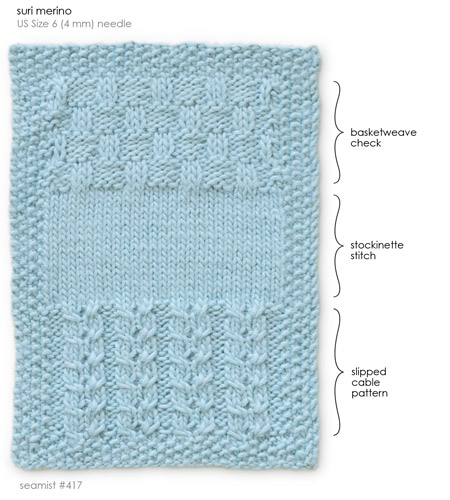
418 Dusk
 

Price: $16.00


Quantity:

Weight: 100 grams
Approx: 164 yards/150 meters
Needle Size: 5-7 US/3.75-4.5 mm
Gauge: 5-6 stitches per inch

For this yarn: Brittany #7s $7.00

Blue Sky Suri Merino Patterns & Kits


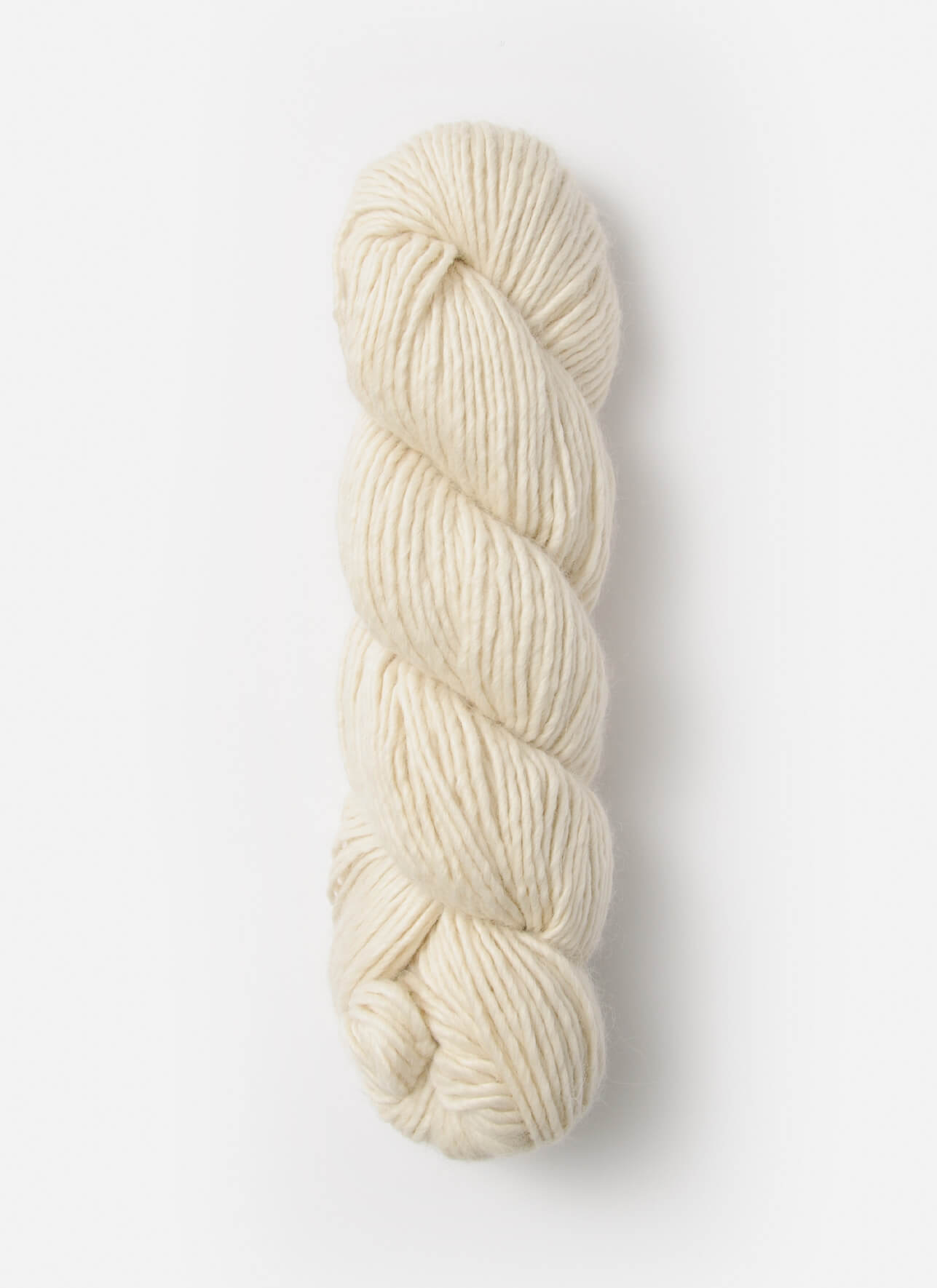
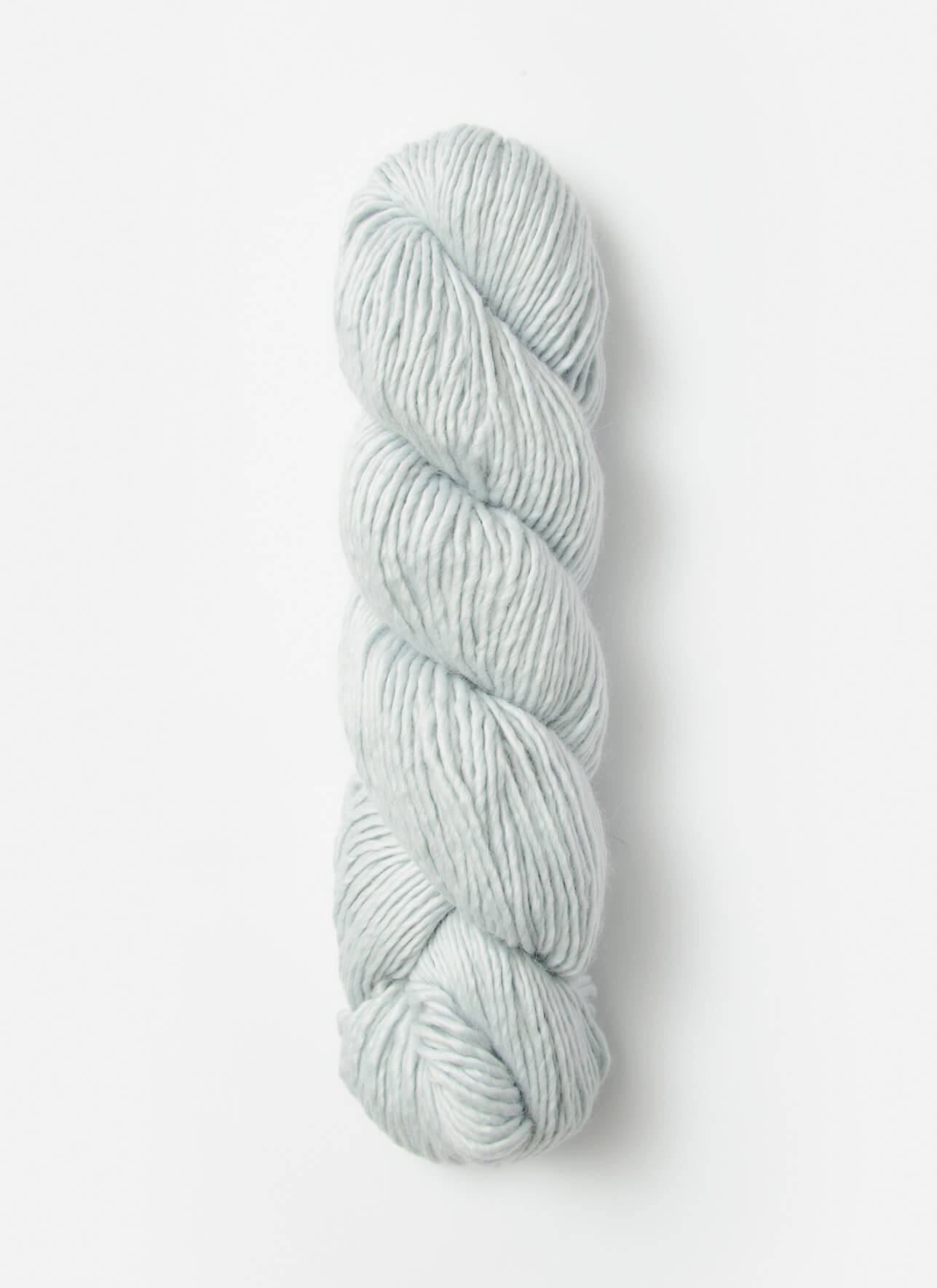
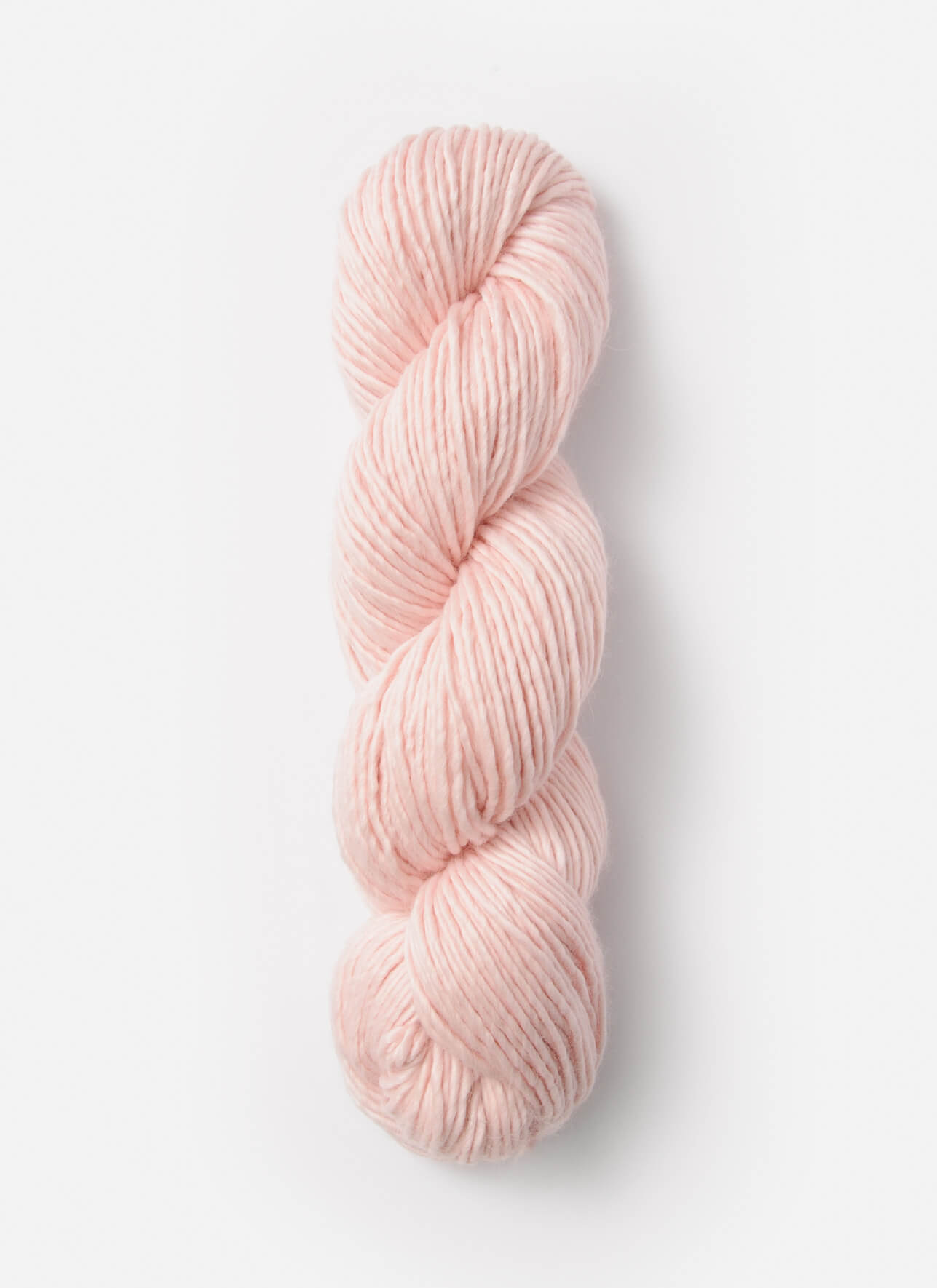
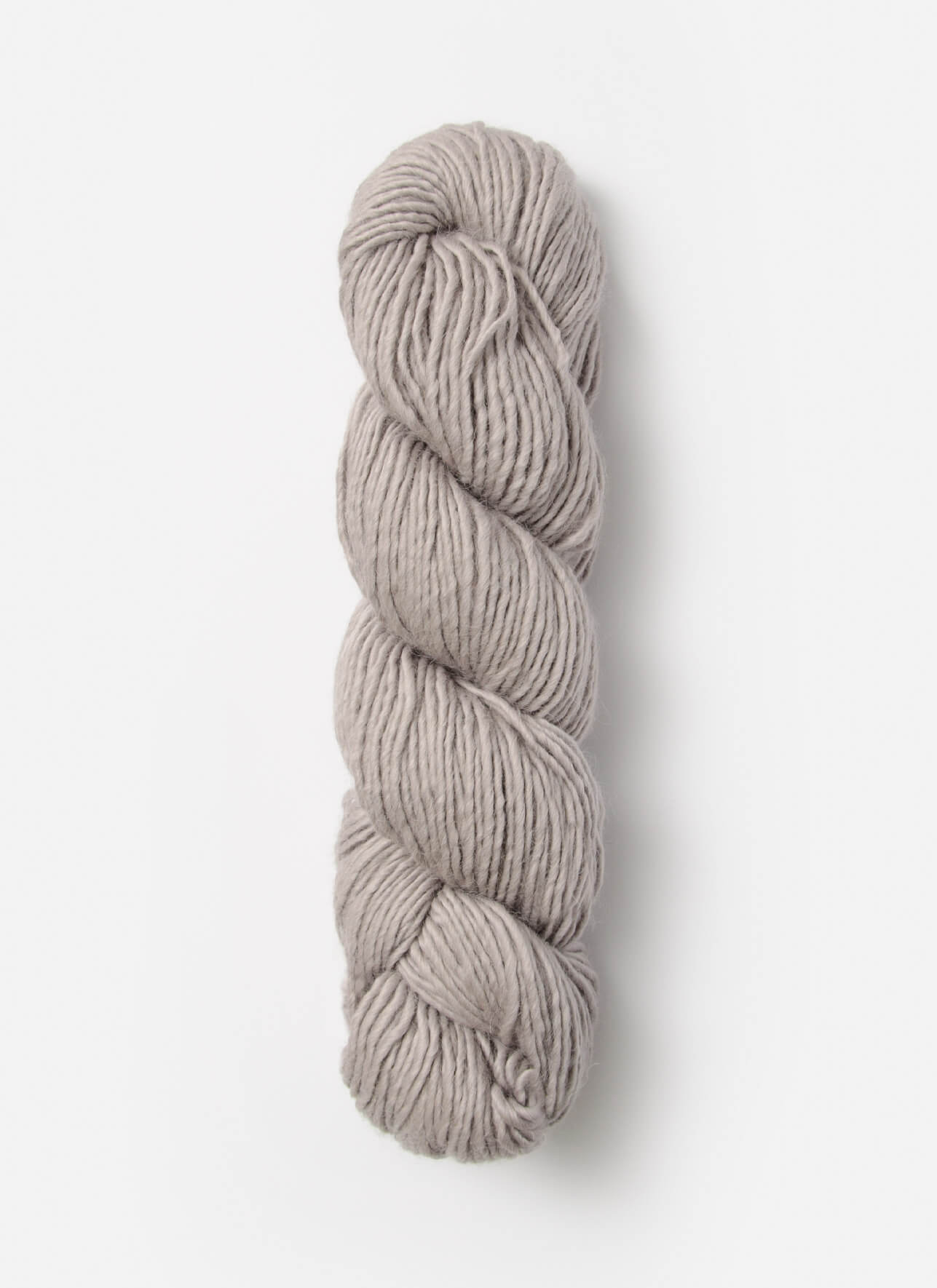
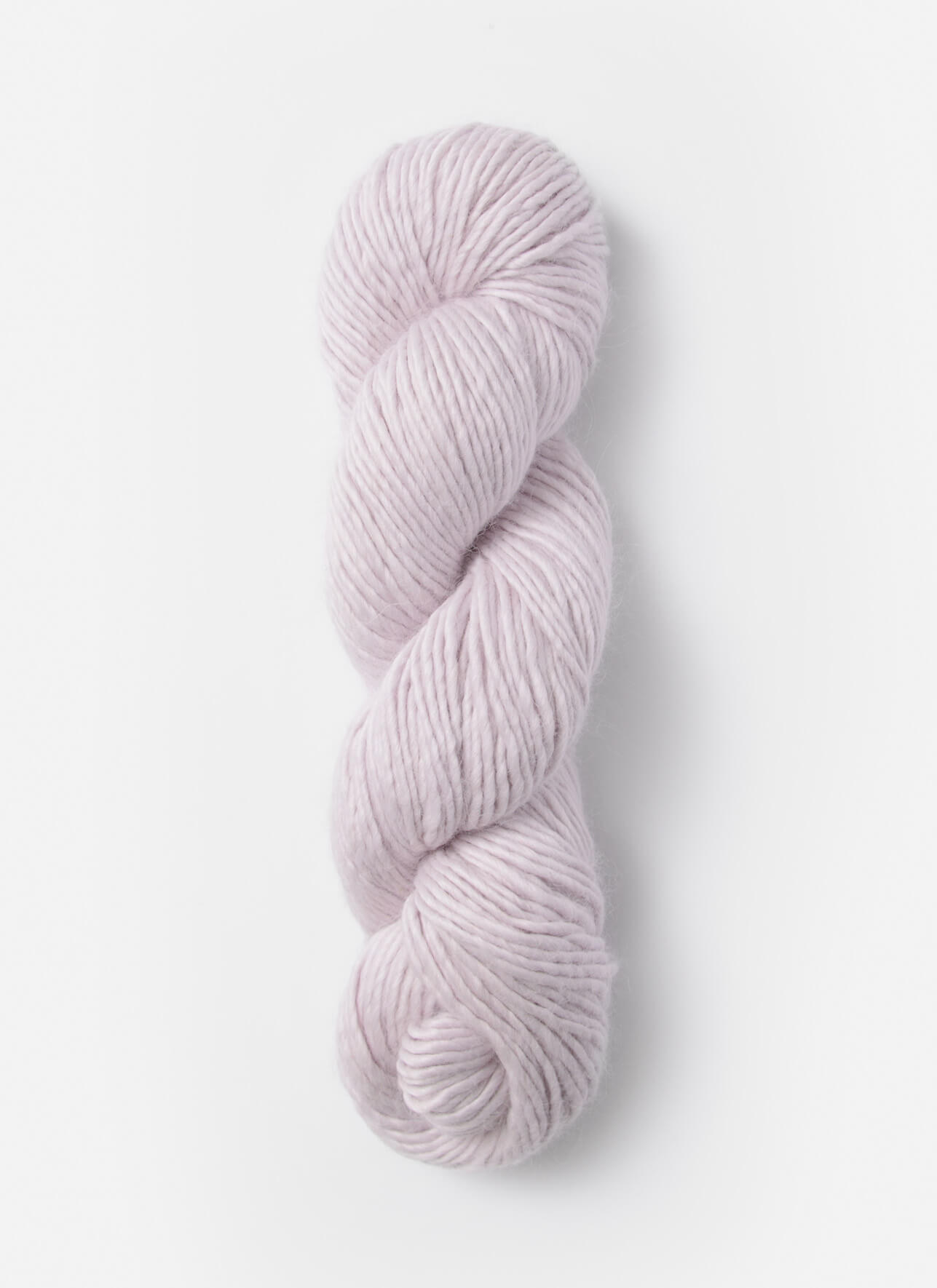
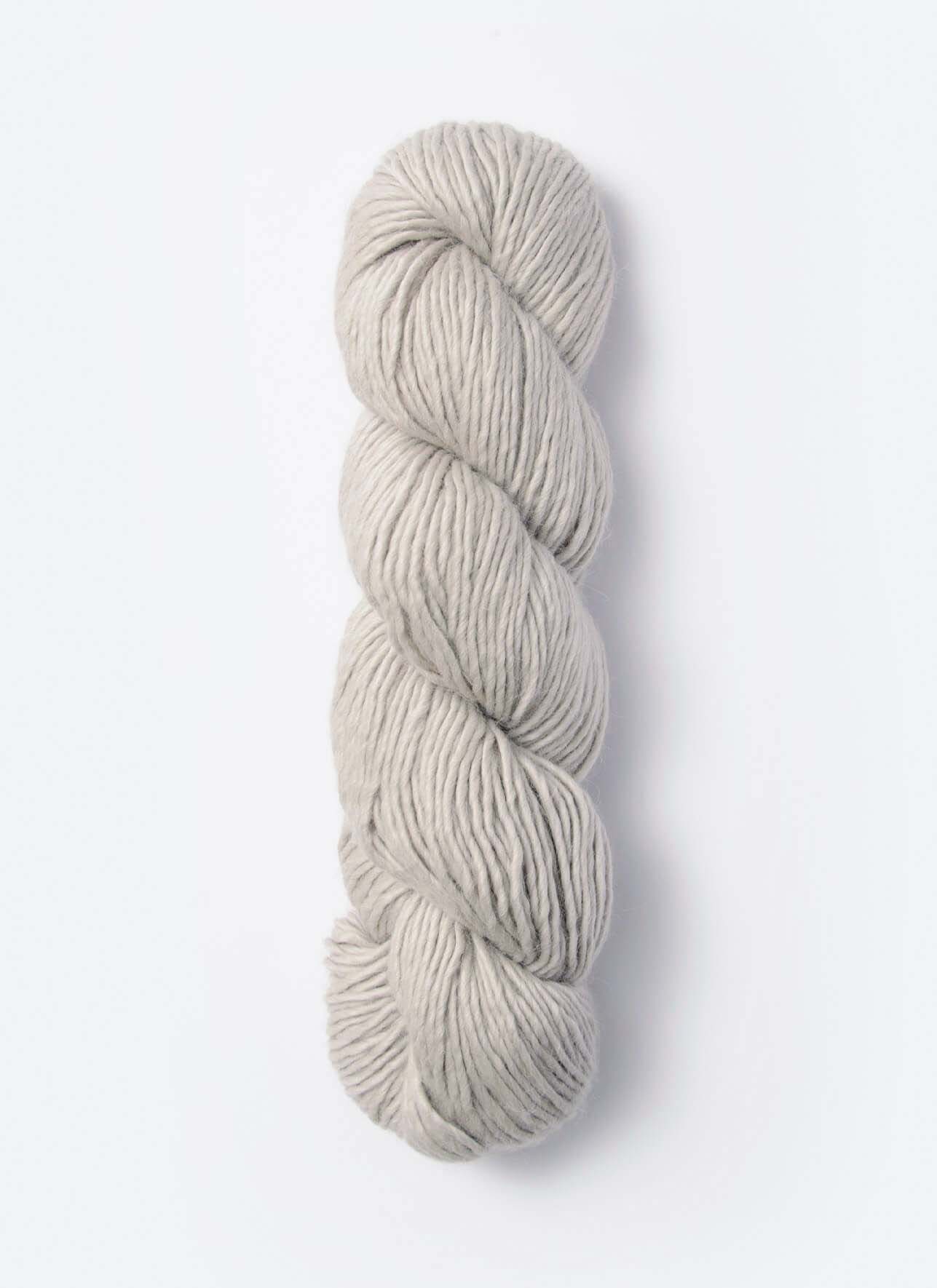
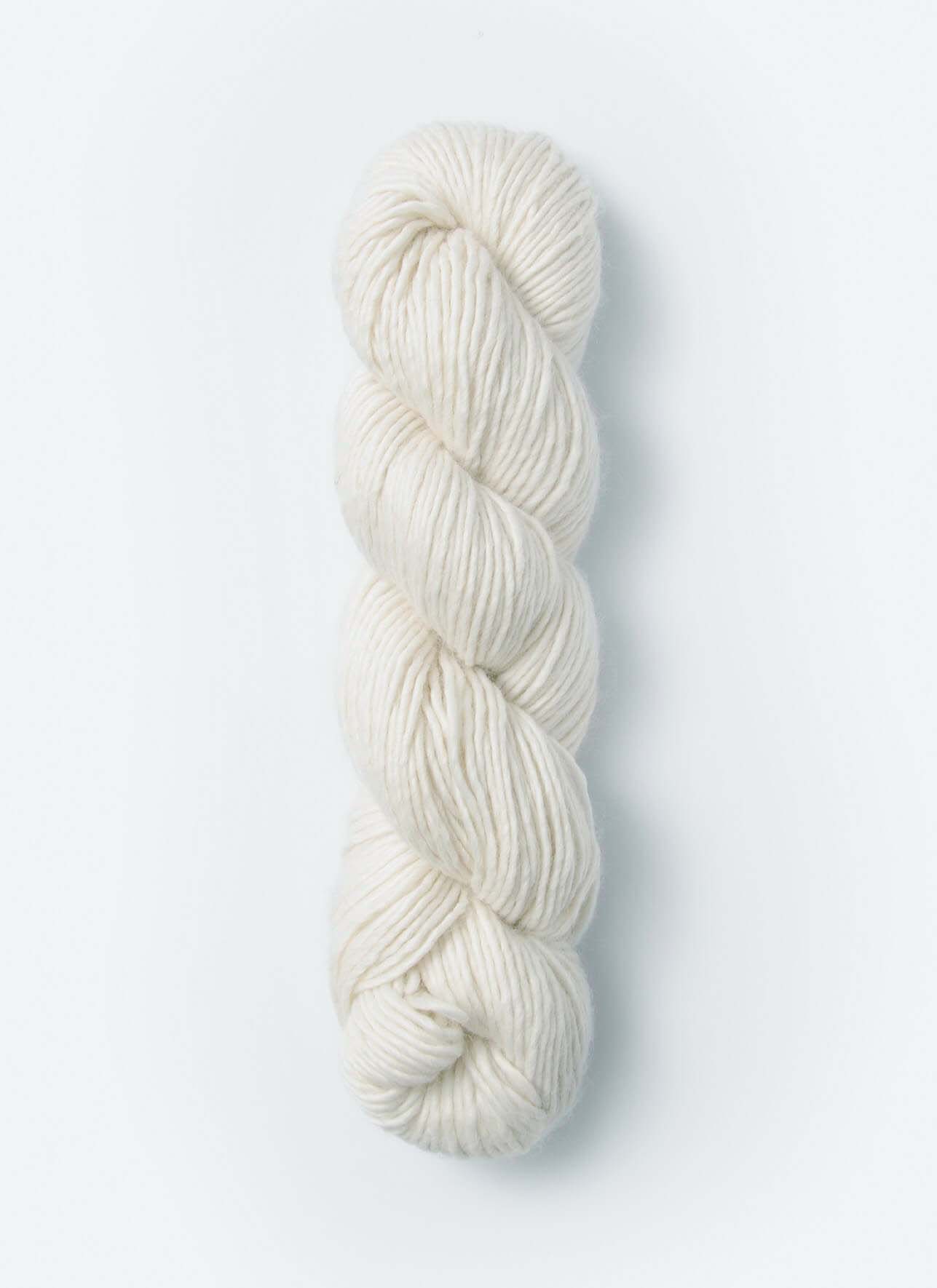
410 Snow   411 Cloud   418 Dusk   413 Fog   414 Sahara
       
412 Dawn   415 Harvest   416 Meadow   417 Seamist   420 Autumn
       
422 Earth
  419 Crimson   423 Twilight   421 garden   422 Earth


see this in a gift


Alpaca Yarn

For over 5000 years, the alpaca has been raised as a domesticated animal throughout South America. But here, in the United States, they’re still novel in comparison. In 1980 the first 10 alpacas to reside outside of zoos were imported into North America. Both the cute, fluffy Huacaya, the more well known of the two types of alpacas, and the elegant-looking, sleek Suri alpaca began gracing our shores only a few short decades ago. Brought here not just for their “magical” quality, both types of alpacas have always been prized for their thick, soft fleeces. Known for centuries as "The Fiber of The Gods," quality, versatility, and rarity are some of the factors that have kept alpaca fiber growing in demand over the years. In the fashion world it is considered to be one of the most exclusive fibers, competing only with wool, cashmere, and mohair. Alpaca fiber can be used in a variety of ways, from as sheer as the finest silks, to as thick and chunky as tweeds and wool. It dyes easily, makes the warmest batting, the softest felt, spins like a dream, and can be mixed with other fibers to combine textures and beauty. (from the Alpaca Registry)

What is an alpaca?

Alpacas are members of the Camelid family, which also includes llamas, vicuñas, guanacos and the "Old World" dromedary and Bactrian camels. Alpacas are ruminants with three stomach compartments which efficiently convert grass and hay into energy. Their padded feet with two toes each have little impact on the ground as they graze, making them friendly to the environment. Their communal dung piles make collection and composting into rich fertilizer easy. Alpacas communicate using body language and sounds. The most common sound is a soft hum, although they use others, including a clucking sound and an alarm call. Alpacas usually live to be 15 to 25 years old, are about 3 feet tall at the withers and usually weigh between 110 and 175 pounds. Baby alpacas are called crias, and usually weigh between 14 and 20 pounds at birth. The gestation period for a female alpaca is about 340 days (almost a year) and twins are rare. Two breeds of alpacas are recognized by their different fleece types: huacayas, which make up most of the North American herd, and suris. Huacayas have fluffy, crimpy fiber, while the more lustrous straight fiber of the suri hangs down in long tight locks.

What is baby alpaca yarn?

Baby alpaca fiber typically comes from the first shearing of an alpaca, giving you the softest, most beautiful fiber the animal may ever produce.

Where do Alpacas live?

Alpacas, llamas, vicuñas and guanacos come from South America, primarily Bolivia, Chile and Peru. It is thought that alpacas were originally domesticated from vicuñas in the Andean highlands of Peru more than 6,000 years ago. During the 11th and 12th centuries, alpacas were revered by the Incas, whose husbandry was very sophisticated. The animals were highly selected for abundant fine fiber, and evidence suggests that the quality of fiber then was superior to today's. These years of sophisticated breeding were interrupted by the Spanish conquest of the Incas in the 16th century, when alpacas that were not slaughtered were driven to the higher elevations of Peru and Bolivia, the "altiplano". In the 1800's, alpaca fiber was discovered by the English, and it has been an important worldwide commodity ever since. Peru produces about 90% of the world's alpaca fiber today.

Alpaca Fiber

Alpaca fiber is valuable because of its many positive attributes and relative scarcity. It is as soft as cashmere, more durable than merino wool, fine, lightweight and lustrous. Alpacas come in 22 recognized natural colors with many variations and blends, more than any other fiber producing animal. Each year, an adult alpaca produces an average of five to eight pounds of fiber. In North America, alpaca fiber used to be sold almost exclusively to hand-spinners because there were not enough alpacas to make commercial processing economically viable. This changed in 1998, however, when breeders from all over North America formed the Alpaca Fiber Cooperative of North America, Inc. (AFCNA) to pool and process fiber each year.


Alpacas in the U.S.

Alpacas are a growing part of the modern U.S. agricultural scene; breeding them is gaining popularity as a home business. Alpacas are also used as pets and 4H animals as well as for their luxury fiber. They are easy to train and care for, and are generally healthy and hardy, requiring only basic shelter, shearing, worming and annual vaccinations. Although most breeders enjoy daily contact with their animals, some people buy alpacas and board them with another breeder. Some people show their alpacas in showmanship, halter, obstacle and fleece classes. Alpacas are also used to demonstrate agility or the use of fiber at fairs and other exhibitions. They are excellent for PR and community service, such as visiting schools or nursing homes. They're shy, but generally well-mannered, and their charm and great looks bring smiles to everyone's faces.


alpaca yarn (boucle) | baby alpaca yarn | Merino Wool Yarn | mohair yarn & mohair yarn blends | Fun Fur Yarns | Rainbow wool Yarn - Bouclé | luxe Mohair yarn | ribbon yarns |merino wool/silk/cashmere yarns | acrylic chenille yarn | handpainted merino wool yarn | handpainted silk yarn


Blue Sky Alpacas Color-Grown Cotton Yarn What is color grown knitting yarn? For the uber-naturalist, it's cotton that's been grown with the color in it. Undyed, left with it's natural occuring tints in tact. Through creative seeding, you can actually grow Sage cotton, and just by NOT dying it, you can have a beautiful, bone-colored natural or Nut-Brown color.